The Leica Q series represents one of the most compelling digital camera lines ever produced by Leica. Combining a full-frame sensor with a fixed 28mm f/1.7 Summilux lens, each model offers a refined shooting experience with minimal compromise. From the original Leica Q (Typ 116) through to the latest Leica Q3, the series has evolved significantly in resolution, autofocus, and video capability.
This guide compares the three core Leica Q models to help you understand what has changed, and which model best suits your style of photography.
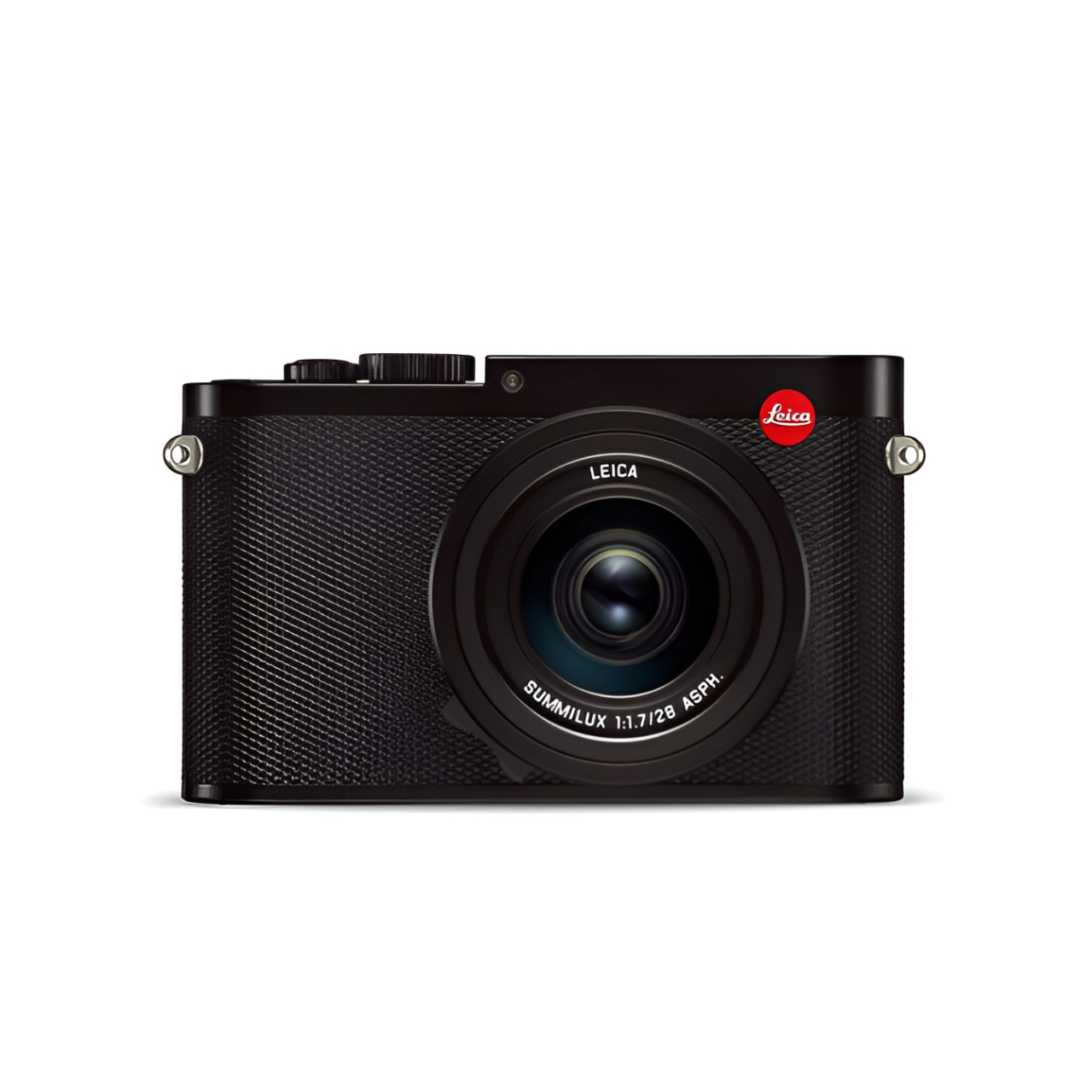
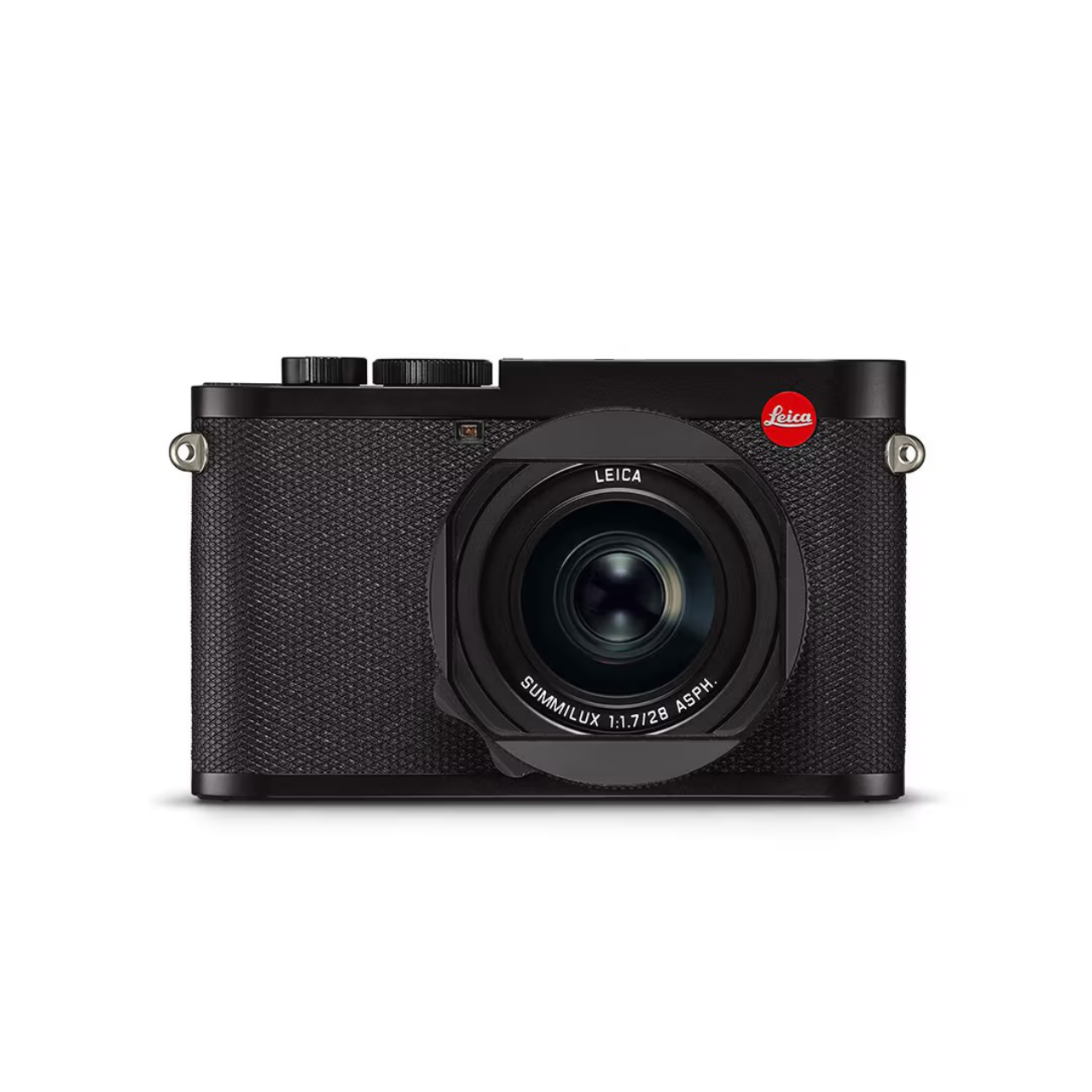
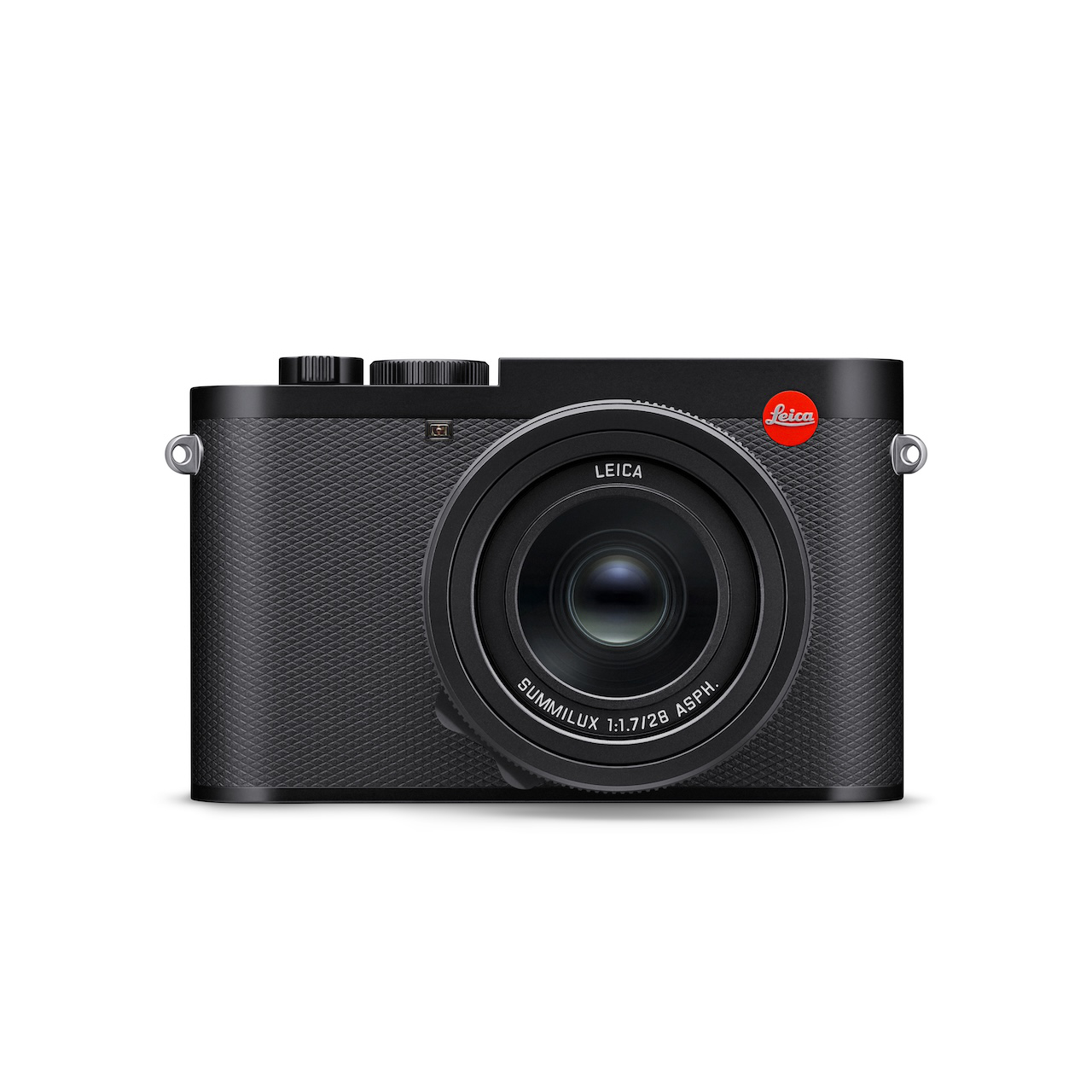
Leica Q Core model comparison
| Leica Q (Typ 116) | Leica Q2 | Leica Q3 | |
|---|---|---|---|
| Sensor Resolution | 24.2 MP CMOS | 47.3 MP CMOS | 60.3 MP BSI-CMOS |
| Image Processor | Maestro II | Maestro II | Maestro IV |
| ISO Range | 100 – 50,000 | 50 – 50,000 | 50 – 100,000 |
| Autofocus System | Contrast-Detect | Contrast-Detect | Phase Detection + Contrast |
| Video Resolution | Full HD (1080p) | 4K / C4K | 8K / 4K / C4K |
| Rear Display | 3 inch Fixed Touchscreen | 3 inch Fixed Touchscreen | 3 inch Tiltable Touchscreen |
| EVF Resolution | 3.68 MP LCOS | 3.68 MP OLED | 5.76 MP OLED |
| Weather Sealing | None | IP52 Rated | IP52 Rated |
| Digital Zoom Crops | 35mm, 50mm | 35, 50, 75mm | 35, 50, 75, 90mm |
| Weight (with batt) | ~640g | ~734g | ~743g |
Overview of the Leica Q series
All three cameras share the same core philosophy, a fast 28mm lens, full-frame sensor, and a minimalist control layout. However, the differences between generations are meaningful, particularly in resolution, usability, and modern features.
Leica Q (Typ 116): The original
The original Leica Q remains one of the purest expressions of the concept. Its 24 megapixel sensor is more than sufficient for most uses, and many photographers still prefer its rendering and file sizes. The camera is fast, responsive, and simple to use.
Its limitations are clear by modern standards. Autofocus is contrast-based, video is limited to 1080p, and there is no weather sealing. Even so, it remains a highly capable everyday camera, especially at current used prices.
Leica Q2: The sweet spot
The Leica Q2 represents a significant step forward. The jump to a 47 megapixel sensor allows for much more flexible cropping, effectively extending the usability of the fixed 28mm lens. The addition of weather sealing also makes it far more practical for travel and outdoor use.
While autofocus remains contrast-based, it is refined and reliable. For many users, the Q2 strikes the best balance between performance, image quality, and cost, making it the most popular model in the series.
Leica Q3: The modern flagship
The Leica Q3 introduces the most substantial upgrades in the series. The 60 megapixel BSI sensor delivers exceptional detail and improved dynamic range, while the new Maestro IV processor enhances overall speed and responsiveness.
The biggest real-world improvement is autofocus. The hybrid phase detection system makes the Q3 far more capable for moving subjects and general everyday shooting. The addition of a tilting screen also improves usability, especially for street and low-angle photography.
Video capabilities have been expanded significantly, including 8K recording, although this is unlikely to be a primary reason most photographers choose the Q system.
Key differences that matter
- Resolution: 24MP to 60MP dramatically changes cropping flexibility
- Autofocus: Only the Q3 introduces modern phase detection
- Build: Weather sealing arrives with the Q2 and continues with Q3
- Usability: The Q3’s tilting screen is a meaningful ergonomic upgrade
Which Leica Q should you choose?
The right choice depends on how you shoot and what you value most.
- Leica Q (Typ 116): Best for value and simplicity
- Leica Q2: The best balance of price and performance
- Leica Q3: Ideal if you want the latest technology and maximum flexibility
For many photographers, the Leica Q2 remains the sweet spot. However, if autofocus performance and resolution are priorities, the Leica Q3 is a clear step forward. The original Leica Q still holds its place as an affordable entry into the system, offering the same core shooting experience that defines the series.